
Officers say a £1,901,254 affordable workspace payment for the Margery Street office scheme is unviable, and recommend approval on 10 September.
Islington’s planning officers are asking councillors to approve an office block on Margery Street that would pay nothing at all towards affordable workspace. Policy would have required a payment of £1,901,254. An independent review commissioned by the council found the scheme cannot afford it.
The application goes to the Planning Committee at the Town Hall on Upper Street at 7.30pm on Thursday 10 September. (Islington Council, Planning Committee agenda, 10 September 2026)
What the policy asks for
The site is Edward Rudolf House, 69 to 85 Margery Street, WC1X, in Clerkenwell ward. It is the two-storey building previously occupied by the Children’s Society. The plan is to demolish it and put up a three to four storey office building of 5,134sqm.
That is an increase of 2,591sqm on the 2,543sqm being replaced. Islington’s Local Plan policy B4 requires major office schemes in the Central Activities Zone to provide affordable workspace worth 10% of the uplift. Here that means 259sqm, leased to the council at a peppercorn rent for at least 20 years.
Where on-site space is not appropriate, the council can take a payment instead. Using the formula in its own Planning Obligations document, officers put that payment at £1,901,254. (Islington Council, committee report, paragraphs 9.15 to 9.20)
Why officers say it cannot be paid
The applicant, Royal UK Properties III Ltd, submitted a financial viability assessment in March 2026. It concluded the scheme runs a deficit of £12,751,500 even with no affordable workspace at all.
The council did not take that at face value. It appointed BPS as an independent reviewer, with a cost consultant checking the build costs. BPS disagreed with several of the applicant’s inputs:
- it rejected the applicant’s benchmark land value of £4,624,000 and set it at £2,873,931
- its cost consultant found the applicant’s construction costs were £2,566,014, or 10.26%, higher than its own assessment
- it put total build costs at £25,016,160 rather than the £27,582,174 in the application
Even after those revisions, BPS still found a deficit of £8,427,436 against a 15% profit benchmark. Its conclusion was the same as the applicant’s: no affordable workspace can be provided, on site or as a payment.
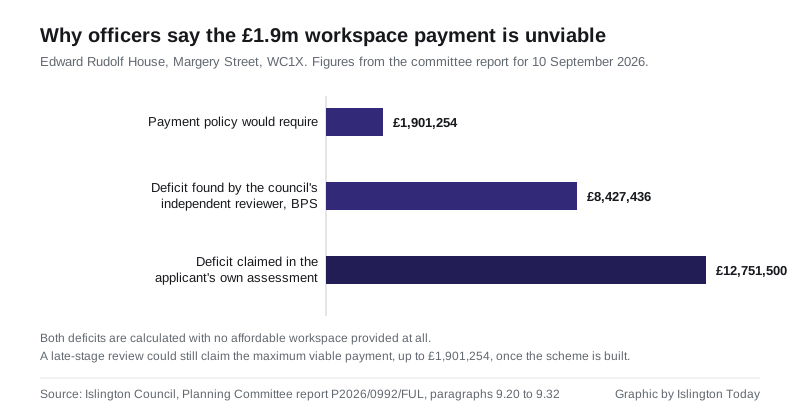
The applicant has agreed to a late-stage review mechanism. If the finished scheme performs better than forecast, the council can claim the maximum viable payment, up to that £1,901,254 figure. That review would be written into the section 106 agreement.
What the scheme still has to pay
The recommended section 106 heads of terms do secure other contributions:
- £100,888 towards employment and training for local residents
- £84,000 up front for trainee bursaries, paid at the London Living Wage
- three construction work placements, or £30,000 if they are not provided
- £35,000 towards seven accessible parking bays or other accessible transport
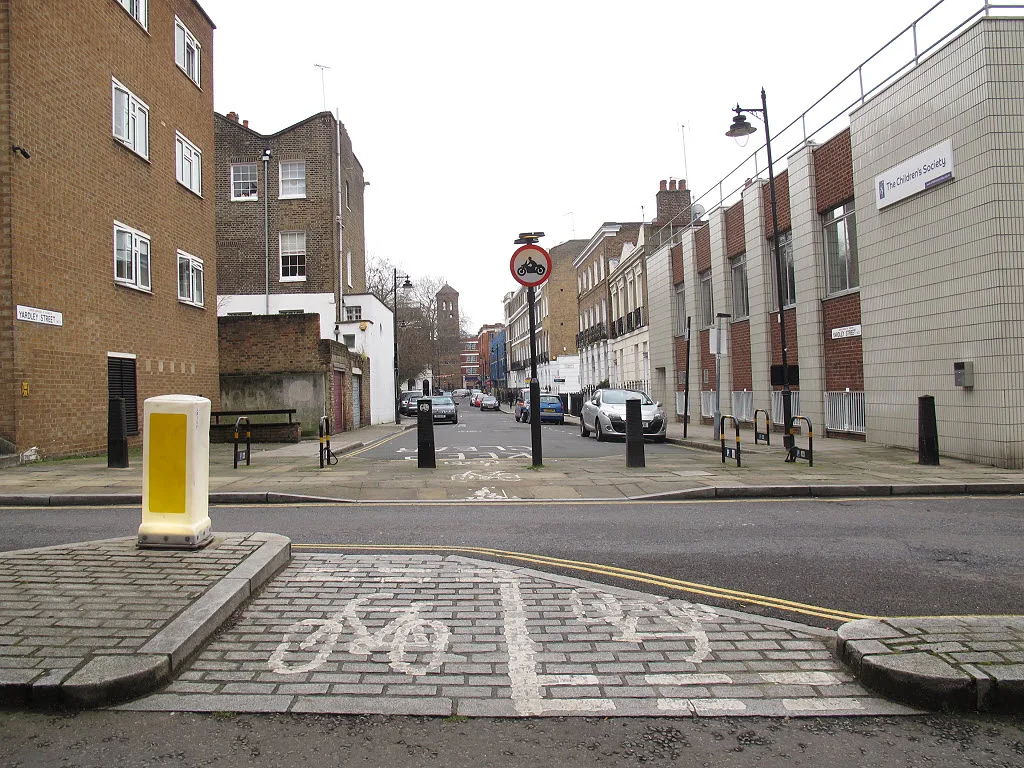
- £24,000 for public realm improvements at the Yardley Street and Margery Street corner
- £3,750 towards short stay cycle stands nearby
- a highways bond, a full travel plan and a £17,969 construction monitoring fee
The objections
Seven residents had objected by the time the report was written. Letters went to 313 nearby properties on 27 May, and the formal consultation closed on 17 June.
On the workspace, objectors wrote that the amendment “seeks to remove one of the principal benefits that formed part of that planning balance while still resulting in harm to residents”, and that a payment elsewhere in the borough is “not an equivalent replacement”. Others raised daylight loss, noise from terraces, and the height of the block.
Officers accept the missing workspace “weighs negatively against the scheme”. They conclude that the regeneration of a vacant site, the new office floorspace and the improvement to the street still outweigh the harm.
This is not a new scheme. A version was refused in 2020, allowed on appeal in October 2024, and demolition has already started under that permission. The amended plan adds 70sqm and drops the affordable workspace unit.
The other two applications that night
The Gilbert, 40 Finsbury Square, EC2A, in Bunhill ward. A change of use for 1,458sqm of lower ground floor from offices to a flexible use: either offices again, or indoor competitive socialising such as golf simulators and games, with a bar, restaurant and shop. The operational management plan sets a maximum of 440 people, open 8am to 11.30pm Sunday to Thursday and 8am to 2.30am Friday and Saturday. A licence would still be needed. Two representations were received. Officers recommend approval. (Committee report, The Gilbert)
iQ Student Accommodation, 201 Isledon Road, N7, in Finsbury Park ward. A two storey extension on top of the existing six storey block, adding 92 studio flats and 2,439sqm. Of those, 32 would be secured as affordable, the 35% policy requires, with a nomination agreement tying the rooms to named higher education providers. The site sits next to the Grade II* listed former Rainbow Theatre. Three objections came in from two addresses, on daylight and on overdevelopment. Officers recommend approval. (Committee report, 201 Isledon Road)
What it means for you
The formal consultation periods have closed on all three. That does not shut the door. The Margery Street report states it is the council’s practice to keep considering representations “made up until the date of a decision”, so a comment sent this week should still reach the committee.
Members of the public can usually speak for or against an application at a planning meeting. The council asks you to register with the planning department first and follow the advice you are given. (Islington Council, attending meetings)
Two practical points if you plan to go. The meeting is in the Council Chamber at the Town Hall, N1 2UD, and the contact on the agenda is Ola Adeoye. Chamber capacity is currently capped at 90 people on fire safety advice, and places go first come, first served. There is a webcast link on the meeting page if you would rather watch.
You can follow what happens next on our Islington planning news page.
Sources
- Planning Committee agenda, 10 September 2026, Islington Council
- Schedule of planning applications, 10 September 2026, Islington Council
- Committee report, Edward Rudolf House, P2026/0992/FUL, Islington Council
- Appendix 3, BPS viability review, Islington Council
- Committee report, The Gilbert, P2026/1316/FUL, Islington Council
- Committee report, 201 Isledon Road, P2025/3682/FUL, Islington Council
- Attending council meetings, Islington Council
Have your say